- Tretinoin for Beginners: A Guide to Getting Started
- Should You Choose Cream or Gel?
- Which Strength is Right for You?
- Tretinoin for Sensitive Skin: How to Use It Safely
- Tretinoin for Acne
- Tretinoin for Hyperpigmentation
- Tretinoin for Wrinkles and Fine Lines
- Tretinoin for General Skin Texture
- Tretinoin for Sun Damage


Tretinoin: Should You Choose Cream or Gel?

Tretinoin: Should You Choose Cream or Gel?
Two formulations, one active ingredient — here’s how to pick the one that actually fits your skin.
Tretinoin cream and tretinoin gel contain the exact same active ingredient at the exact same strength when compared side by side — 0.025%, 0.05%, or 0.1%. What differs entirely is the base they’re delivered in, and that difference changes how the product feels, how fast it absorbs, and how your skin tolerates it. Picking the wrong formulation for your skin type is one of the most common (and easily avoidable) reasons people struggle with tretinoin.
The Core Difference: What’s in the Base
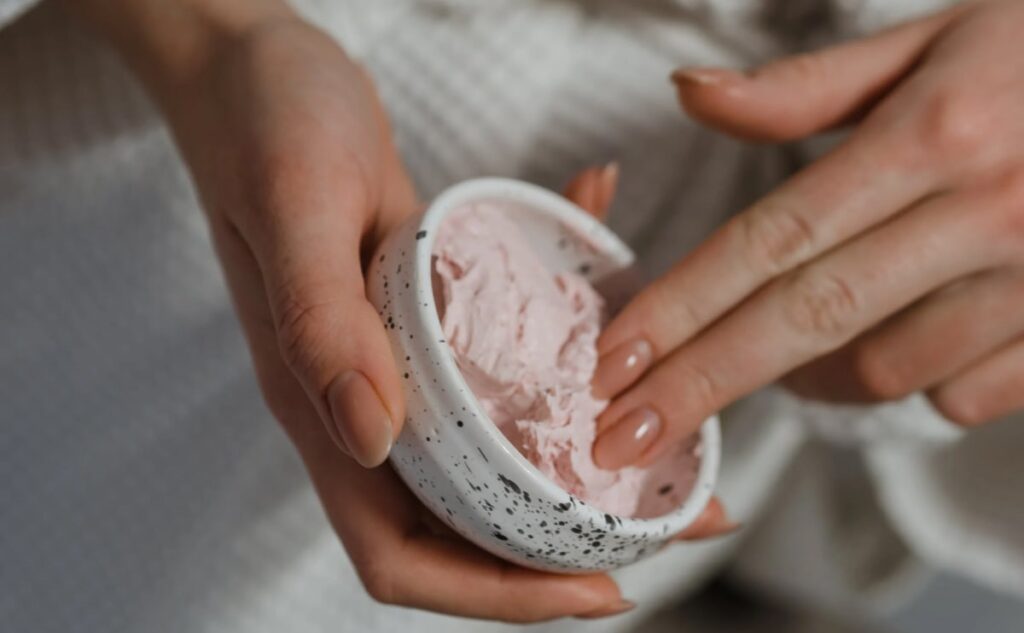
Cream formulations are built on an emollient, oil-based foundation designed to hydrate as it delivers the active ingredient. Gel formulations use an alcohol- or water-based foundation designed to absorb quickly and feel lightweight. Same medicine, completely different experience on the skin.
| Factor | Tretinoin Cream | Tretinoin Gel |
|---|---|---|
| Base | Emollient, oil-based | Alcohol or water-based |
| Texture on skin | Rich, moisturizing | Lightweight, fast-absorbing |
| Drying potential | Lower | Higher |
| Best for | Dry, sensitive, mature skin | Oily, acne-prone skin |
| Absorption speed | Slower | Faster |
| Feel under makeup | Can feel heavier | Sits lighter, less residue |
Quick decision rule
If your skin leans dry, sensitive, or mature — start with cream. If your skin is oily, acne-prone, or lives in a hot, humid climate — gel is usually the more comfortable starting point.
Tretinoin Cream: A Closer Look
Cream is the more forgiving option for most beginners because its emollient base offsets some of the dryness tretinoin naturally causes during the adjustment period. It’s particularly well suited to people with a compromised skin barrier, eczema-prone skin, or anyone starting tretinoin for anti-aging purposes rather than active acne, since fine lines and mature skin typically benefit from the added hydration.
- Tends to cause less peeling and tightness in the first few weeks
- Layers well under a separate moisturizer without feeling heavy
- A stronger first choice for anyone with naturally dry or sensitive skin
- Can feel slightly greasy on already-oily skin, especially in the T-zone
Switching Between Formulations
It’s completely normal to switch. Many long-term tretinoin users move from gel to cream in winter months when skin runs drier, or from cream to gel in summer when heat and humidity make richer textures feel heavy. If you switch, treat it as a mini re-introduction — ease back in with reduced frequency for the first week or two, since even a same-strength switch can cause a short adjustment period.
| Scenario | Recommended Move |
|---|---|
| Skin feels dry, flaky, tight in current formulation | Switch to cream, or add a heavier moisturizer alongside gel |
| Skin feels congested, breakouts increasing, feels heavy | Switch to gel, or reduce cream application to a thinner layer |
| Seasonal changes (winter dryness, summer humidity) | Rotate formulation seasonally — cream in winter, gel in summer |
| Starting anti-aging routine with no acne concerns | Cream is generally the better long-term default |
Ingredient Bases to Watch For
Not all creams or gels are formulated identically — some brands add supporting ingredients that change how the product behaves on skin.
| Added Ingredient | Effect |
|---|---|
| Glycerin / hyaluronic acid | Boosts hydration, softens dryness — common in cream bases |
| Alcohol denat. | Speeds absorption but increases drying potential — common in gel bases |
| Ceramides | Supports barrier repair, helpful for sensitive skin regardless of format |
| Fragrance | Best avoided entirely — increases irritation risk with no functional benefit |
What About Microsphere Formulations?
A third option worth knowing about sits between traditional cream and gel: microsphere-based tretinoin products. Rather than releasing the active ingredient all at once, tretinoin microsphere products encapsulate it in tiny time-release beads that break down gradually across the night. This slower release generally means less surface-level irritation for a given strength, which is why microsphere formulations are often recommended to people who’ve tried both standard cream and gel and found each too irritating at an equivalent percentage.
The Bottom Line
Neither formulation is objectively ‘stronger’ or ‘better’ — the active tretinoin percentage does the work, and the base simply determines comfort and tolerability for your specific skin. Choosing based on your skin type rather than marketing claims is the single best predictor of whether you’ll stick with a tretinoin routine long enough to see results. Whether you land on the best tretinoin cream UK shoppers reach for at 0.025% and 0.05%, or a fast-absorbing tretinoin gel 0.1% for more resistant skin, matching format to skin type is what actually drives results.