Tretinoin vs Retinol: How the Ingredients Differ
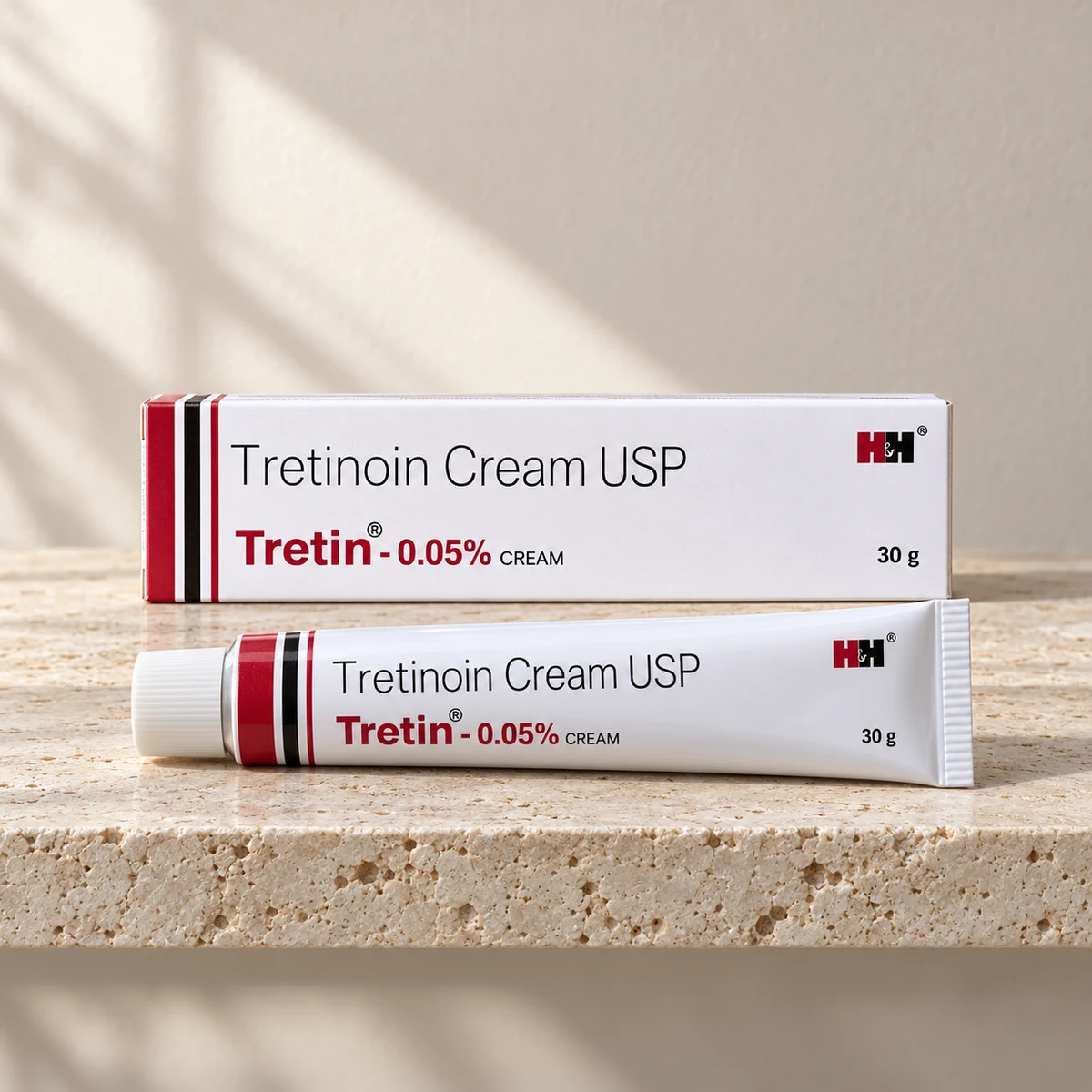
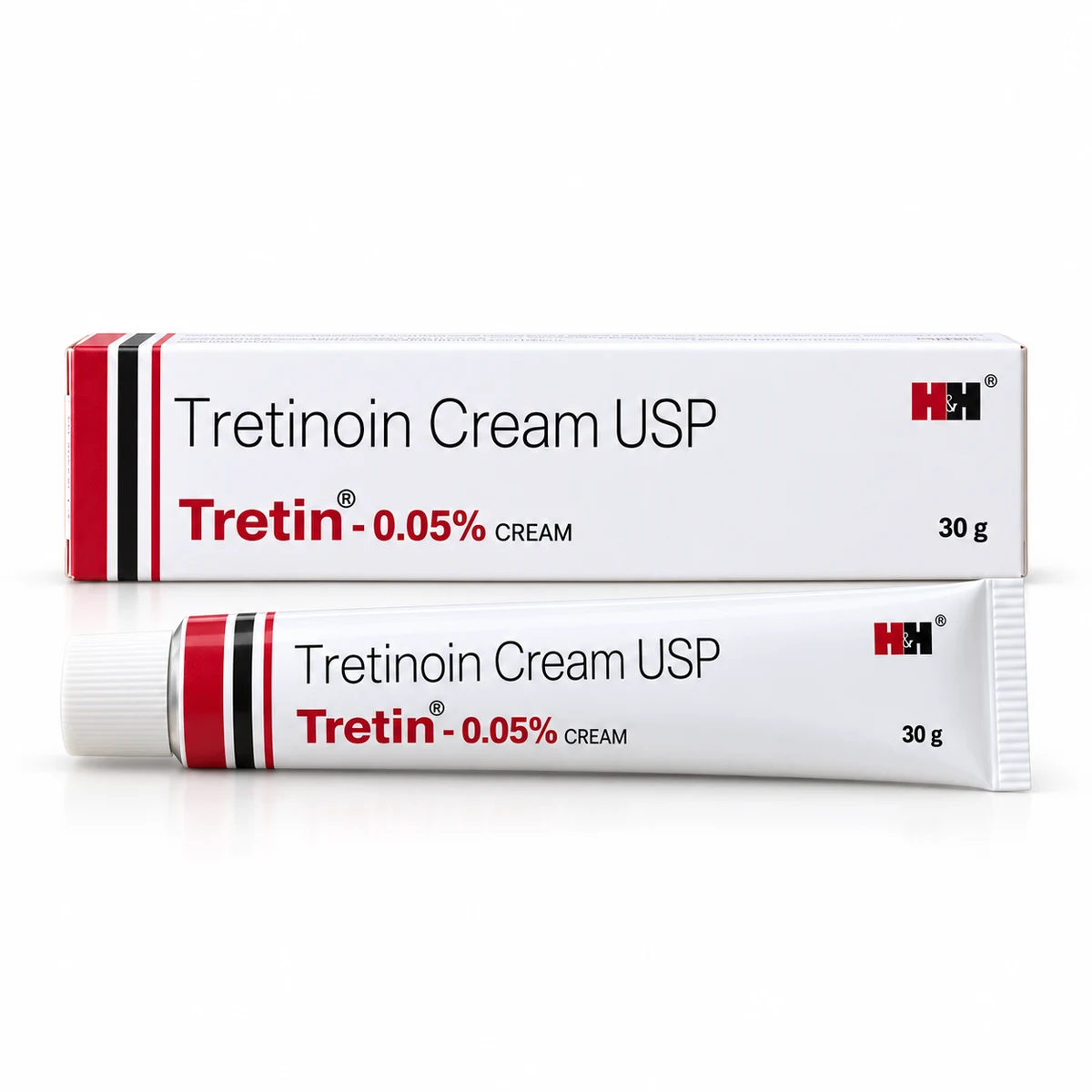
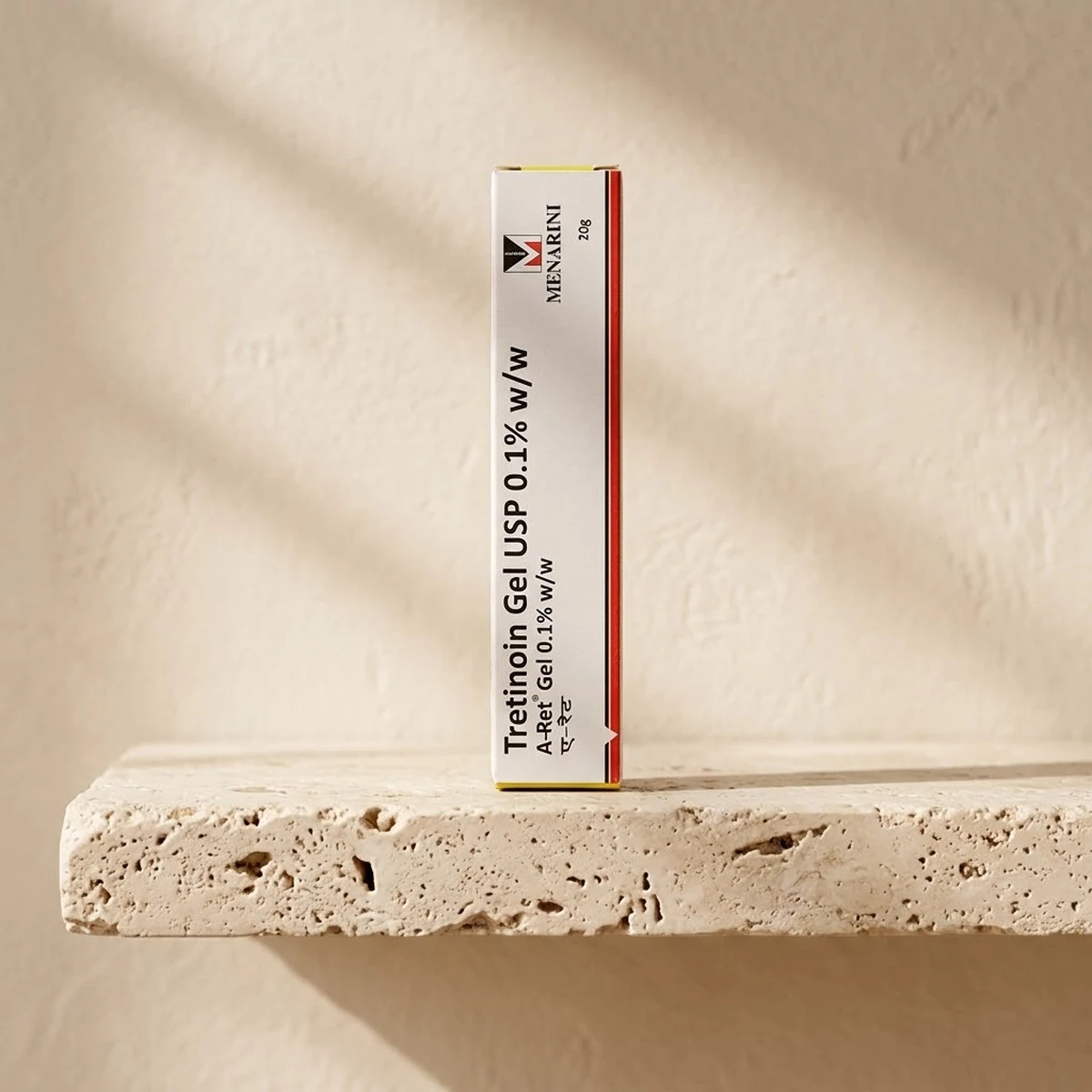
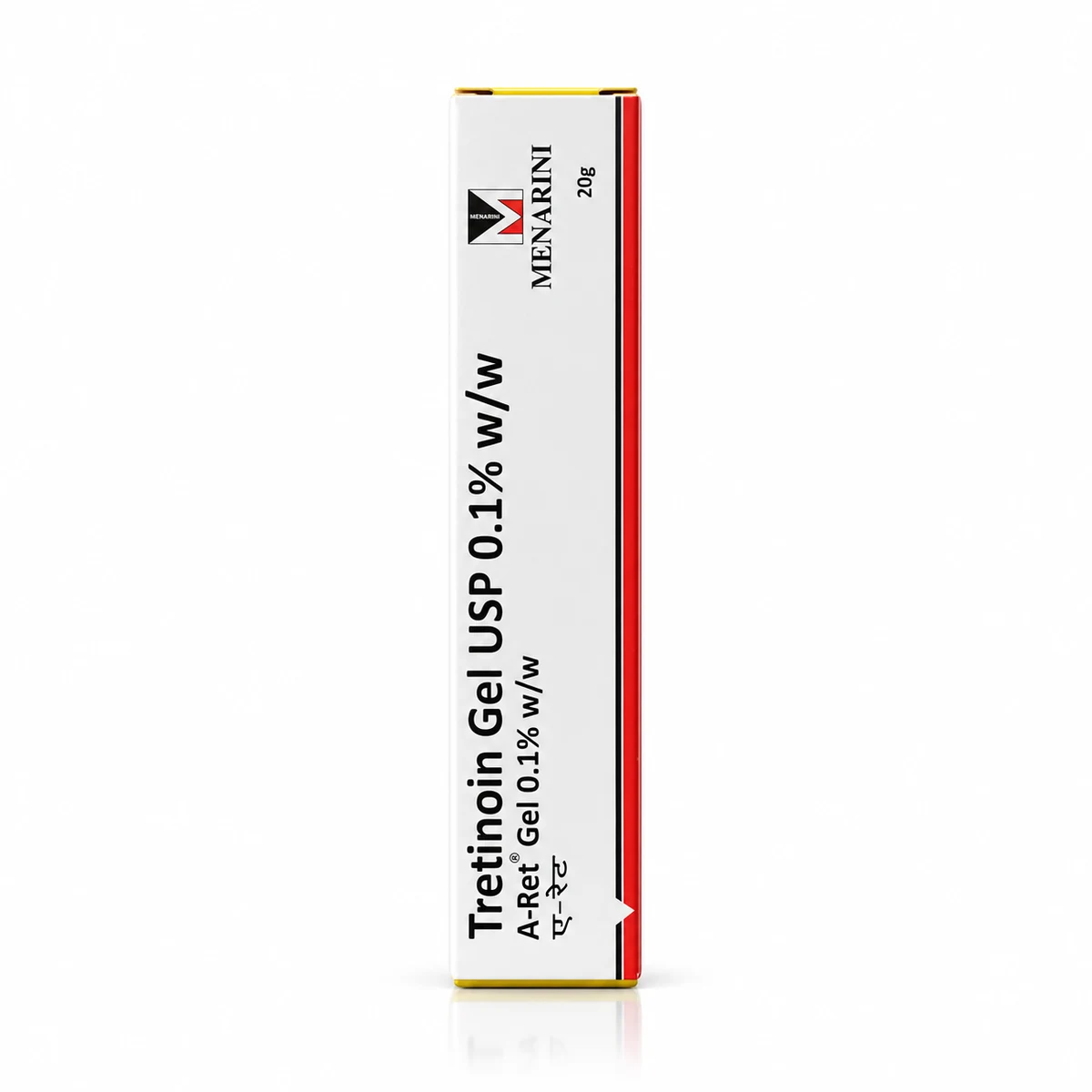
In a tretinoin vs retinol comparison, the ingredients differ: tretinoin is retinoic acid, while skin converts retinol through another form first. In the UK, Treclin, a tretinoin and clindamycin gel, is a prescription-only medicine, while retinol is used in cosmetics. Human studies do not establish a percentage conversion or universal winner.
“Stronger” may refer to irritation, speed of change or a measured study result. We compared study designs and UK product rules to show what the evidence can establish.
The chart shows rounded UK monthly search estimates from September 2022 to August 2026. Search volume is not a measure of treatment use or results.Tretinoin vs retinol at a glance
Tretinoin is already retinoic acid, while retinol must be converted in skin, and their product percentages cannot be directly compared.
| Point | Tretinoin | Retinol |
|---|---|---|
| Ingredient | All-trans retinoic acid | A vitamin A form converted in skin |
| Place in the family | Retinoid | Retinoid |
| Conversion | No conversion from retinol is needed | Retinol converts to retinaldehyde, then retinoic acid |
| UK context | Treclin, a tretinoin and clindamycin gel, is a prescription-only medicine | Used as an ingredient in cosmetic products |
| What evidence compares | Trials include treatment against a vehicle | Human studies include retinol against a vehicle or retinoic acid under experimental conditions |
| Main limitation | Results depend on formulation, condition and study design | Cosmetic products differ in formulation and delivery |
Is tretinoin a retinoid?
Yes. Tretinoin is a retinoid and the name for all-trans retinoic acid. Retinol is also a retinoid, though it is a different molecule. Skin converts retinol to retinaldehyde and then retinoic acid. They share a family name, while their molecules, products and clinical evidence differ.
Is tretinoin a retinol?
No. Tretinoin is retinoic acid, and retinol is a precursor form of vitamin A. They sit in the same broad retinoid family, but one is not another name for the other. A product label that names tretinoin is referring to a medicine ingredient, not ordinary cosmetic retinol.
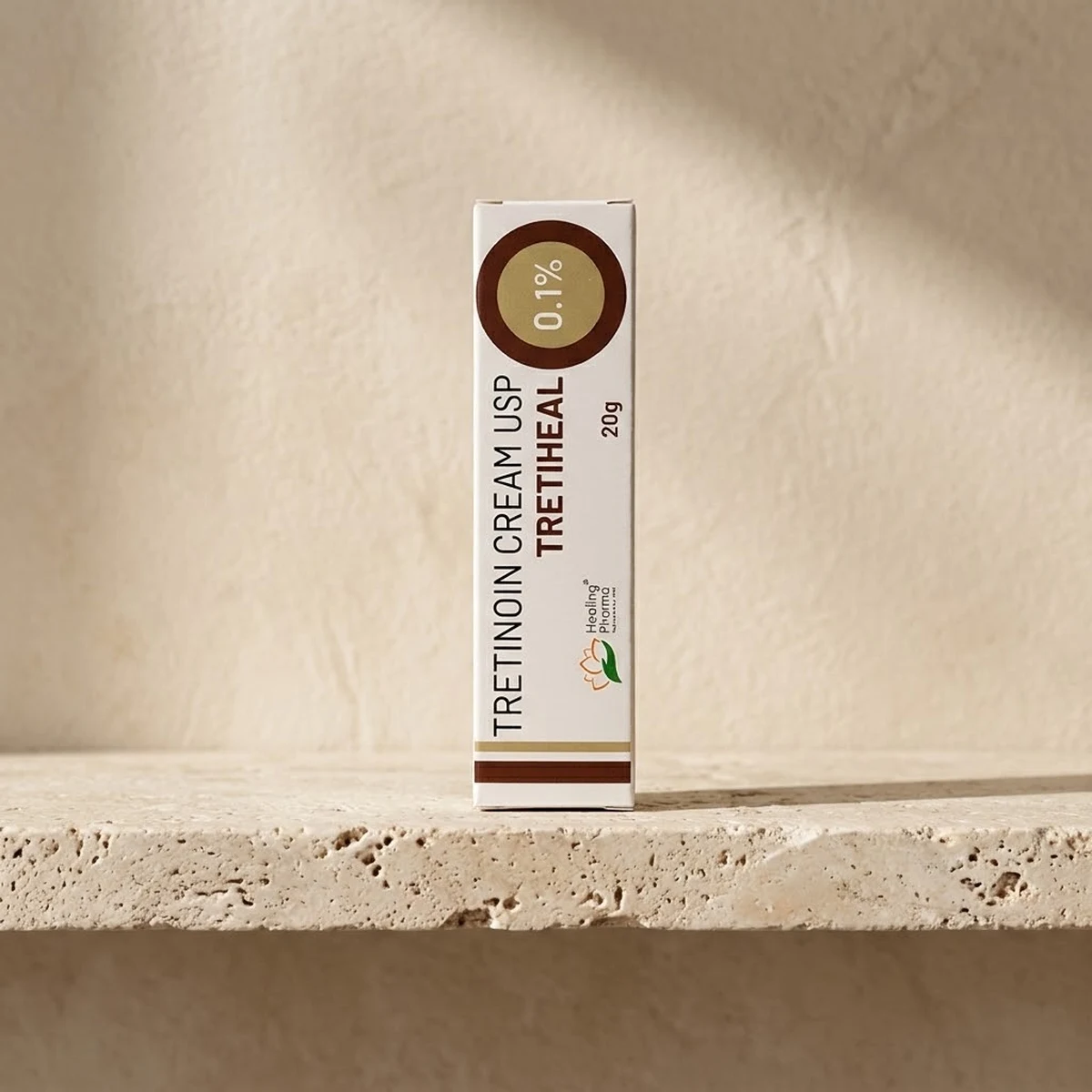
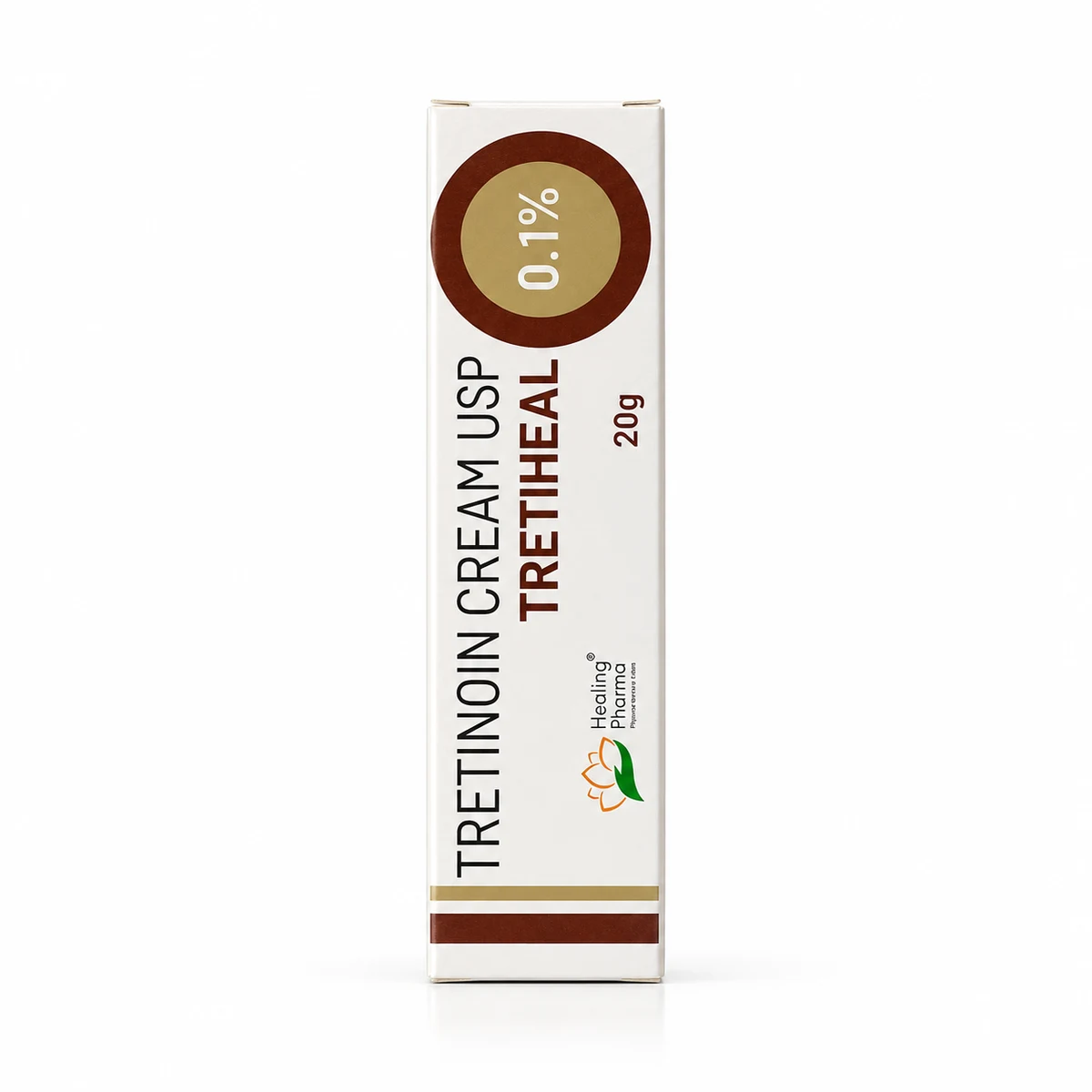
The licensed Treclin gel combines clindamycin and tretinoin. Its eMC product information identifies it as prescription-only. That status applies to Treclin; the authorisation, ingredients and directions of products sold under other names depend on the exact product.
Retinoid vs retinol: where each sits in the vitamin A family
Retinoid is the family name, and retinol is one member of that family alongside retinyl esters, retinaldehyde, tretinoin and other retinoid medicines.
| Family member | Relationship | UK product context |
|---|---|---|
| Retinyl esters | Can convert to retinol | Found in some cosmetic formulations |
| Retinol | Converts to retinaldehyde | Used in cosmetics |
| Retinaldehyde, also called retinal | Converts to retinoic acid | Used in some cosmetic formulations |
| Tretinoin | All-trans retinoic acid | A named ingredient in prescription-only medicines such as Treclin |
| Adapalene, tazarotene and trifarotene | Other retinoids, not steps in the retinol conversion chain | Medicine status depends on the exact product and UK authorisation |
In a human skin experiment, retinol converted to retinaldehyde and then retinoic acid. Results depended on the experimental vehicle and occlusion, so they do not predict how every cosmetic product performs. Duell and colleagues’ study examined biological activity in human skin, not consumer outcomes.
Retinol and retinal are cosmetic ingredients in products formulated for cosmetic use. Tretinoin is a medicine ingredient in named prescription products. The exact legal status depends on the product and formulation. In Great Britain, Cosmetics Regulation Annex II, entry 375 lists tretinoin among substances prohibited in cosmetic products. That is a cosmetics rule, not a statement that tretinoin is prohibited as a medicine.
What human studies can tell us
Human studies show measured changes with tretinoin and retinol in particular settings, but they do not provide a direct strength ranking across products.
Each study tested a specific ingredient, formulation and outcome. The differences between them make a conversion chart inappropriate:
- Kong and colleagues compared topical retinol with retinoic acid in a human skin study; their abstract reports changes in epidermal thickness and collagen-related measures after four weeks, plus facial wrinkle image analysis after twelve weeks of retinol use (PMID 26578346). It does not state a sample size or concentrations in the abstract, and it does not establish that a retail retinol product is equivalent to tretinoin.
- Kang and colleagues ran a double-blind experiment on normal buttock skin in ten participants for the redness comparison; up to 1.6% retinol and 0.025% retinoic acid were applied under occlusion for four days (PMID 7561157). Retinoic acid produced more measured redness than vehicle, while retinol produced little or trace redness in that experiment. This short, occluded study is not a facial routine or a product comparison.
- Kafi and colleagues studied thirty-six elderly participants in a randomised, double-blind, vehicle-controlled arm comparison; staff applied 0.4% retinol lotion to naturally aged arm skin up to three times a week for twenty-four weeks (PMID 17515510). Fine-wrinkle scores changed more on the retinol side than the vehicle side. This was not a tretinoin comparison and does not set a facial timetable.
- Griffiths and colleagues studied ninety-nine people with photoaged facial skin who completed a randomised, double-blind, vehicle-controlled trial; 0.1% or 0.025% tretinoin cream was compared with vehicle once daily for forty-eight weeks (PMID 7544967). Both tretinoin groups improved overall photoageing versus vehicle, while irritation was greater with 0.1%. The trial compared two tretinoin concentrations, not tretinoin with retinol.
These studies cannot show that a given retinol percentage equals a tretinoin percentage, predict your response, or identify which product is suitable for you. Their findings apply to the formulations and participants tested.
Is tretinoin stronger than retinol?
For tretinoin vs retinol, there is no validated formula that converts a retinol percentage into a tretinoin percentage or proves one is universally stronger.
People use “stronger” to mean different things: more active at a biological level, more irritating, or more effective for a particular outcome. Studies use different concentrations, vehicles, body sites and outcome measures. A percentage printed on a cosmetic product cannot be compared directly with a prescription medicine percentage.
Why percentages do not compare directly
The question “is 0.025% tretinoin stronger than 1% retinol?” therefore has no evidence-based percentage answer. The Kang experiment used a short period of occlusion on normal buttock skin. The Kafi trial studied retinol lotion on aged arm skin. Neither trial tested those two percentages head to head on facial skin.
If concentration is part of your question, our guide to how prescribed tretinoin strengths are considered explains why the prescriber and formulation matter. It does not provide a conversion from retinol.
Retin-A vs retinol: is Retin-A the same as tretinoin?
Retin-A is a brand name used for tretinoin products, while retinol is a separate ingredient.
Retin-A is associated with products in the United States; it is not a different molecule from tretinoin. Product names and formulations vary between countries. The UK eMC example cited above is Treclin, a combination gel containing clindamycin and tretinoin. Check the active ingredient and the directions on the medicine you have been prescribed rather than relying on a brand name found online.
Retinol or tretinoin: what should you discuss with a clinician?
Discuss whether retinol or tretinoin suits your concern, current routine and medical history. Tretinoin requires a prescriber.
Useful details to share include:
- The reason you are considering a retinoid, such as acne or changes associated with photoageing.
- The name and ingredient list of your current retinol product, including how often you use it.
- Any past or current irritation, skin condition, other medicines or pregnancy plans.
- Whether another prescribed treatment is already part of your routine.
Retinol products vary in formulation and instructions. A prescriber can assess whether a medicine is suitable and explain the product-specific directions. Our adapalene and tretinoin comparison explains how another prescription retinoid differs. For general background, see our guide to tretinoin basics.
Can you use retinol and tretinoin together?
Do not combine retinol with prescribed tretinoin unless the prescriber managing your treatment has advised you to do so.
Both ingredients are retinoids, and each caused irritation in some of the studies above, although none tested them together. The prescriber needs to know about facial products, body products and products used on different days. Do not start a second retinoid, increase use or create an alternating schedule based on online percentage comparisons.
Switching from retinol to tretinoin
Talk with a prescriber before switching from retinol to tretinoin, and follow the directions for the exact product they prescribe.
Bring the product name or packaging and explain how you use it. Mention burning, persistent redness, soreness, peeling or any break in the skin barrier. Ask which parts of your routine to pause, what to continue and when to seek advice. Do not use the Treclin directions as instructions for a different tretinoin product.
Stop using the product and speak to a GP, pharmacist or dermatologist if you develop:
- Severe or persistent irritation, marked redness, or worsening symptoms.
- Swelling, blistering, severe pain or a rash that concerns you.
- Eye symptoms or a reaction that affects a large area.
For more detail on reactions, read our guide to tretinoin side effects. If a breakout worsens after starting treatment, our guide on telling a flare from a tretinoin purge explains why new or severe symptoms still warrant clinical advice.
Pregnancy and retinoids
Tretinoin, adapalene and tazarotene should not be used during pregnancy or when trying to conceive. NICE acne guidance says topical retinoids are contraindicated during pregnancy and when planning a pregnancy, and the Treclin SmPC and Differin SmPC list both as contraindications.
The product leaflet and prescriber’s advice should guide use of any medicine. If you become pregnant while using a prescribed tretinoin product, contact the prescriber promptly. Do not assume cosmetic retinol has the same medicine label or that it is automatically suitable in pregnancy. Ask a GP, midwife or pharmacist before using it.
Frequently asked questions
What is the difference between tretinoin and retinol?
Tretinoin is all-trans retinoic acid. Skin converts retinol through retinaldehyde before it becomes retinoic acid. In the UK, Treclin, a gel containing tretinoin and clindamycin, is a prescription-only medicine; status depends on the exact product. Retinol is used in cosmetic products. Different formulations and evidence mean their percentages do not provide a direct strength comparison.
Is tretinoin a retinoid?
Yes. Tretinoin belongs to the retinoid family and is the active form called all-trans retinoic acid. Retinol is another retinoid. Skin converts it through retinaldehyde. The ingredients are not interchangeable, and tretinoin-containing medicines require a prescriber in the UK.
Is 0.025% tretinoin stronger than 1% retinol?
There is no validated percentage conversion between tretinoin and retinol. Their formulations, delivery, study conditions and measured outcomes differ. A short experimental study or a trial against a vehicle cannot show that one percentage is a fixed multiple of another. A prescriber can advise whether a tretinoin medicine is appropriate and explain its directions.
Is Retin-A the same as tretinoin?
Retin-A is a brand name used for tretinoin products, particularly in the United States. Tretinoin is the ingredient name, also called all-trans retinoic acid. Retinol is a separate ingredient. Product names, formulations and authorisations vary by country, so check the active ingredients and follow the instructions for the product prescribed to you.
Can I use retinol and tretinoin together?
Ask the prescriber responsible for your tretinoin before using a retinol product alongside it. Both are retinoids, and each can irritate skin on its own. Do not layer them or create an alternating schedule without that advice. Tell the prescriber the product name, where you apply it and whether you have had redness, soreness or peeling.
Can I switch from retinol to tretinoin?
A switch to tretinoin needs a prescriber’s assessment because tretinoin is a prescription-only medicine in the UK. Share the retinol product and your current routine, including any irritation. Follow the directions on the prescribed product and ask what to pause or continue. Do not use a product percentage to calculate a replacement dose.
Should I choose retinol or tretinoin for wrinkles?
Human studies report outcomes for both ingredients, but they use different products, participants, skin sites and measures. They do not show that every tretinoin product gives a better result than every retinol product. Retinol is a cosmetic ingredient; tretinoin-containing medicines need a prescription. Discuss your skin concern and medical history with a clinician before considering treatment.
How we wrote this
We reviewed PubMed abstracts of human skin experiments and vehicle-controlled studies, alongside the eMC information for Treclin and Great Britain cosmetics regulation. Each result is presented with the study population, skin site and duration. The studies do not establish a percentage conversion or predict an individual response. This article is general information, not medical advice. Ask a GP, pharmacist or dermatologist about your circumstances. Last reviewed 19 October 2026. Corrections: support@buytretinoin.org.