8 Tretinoin Side Effects and How to Manage Each One
Key points
- Dryness, redness, scaling and stinging can occur, but not every user has the same reaction.
- Use only the prescribed amount and schedule; more frequent application can worsen irritation.
- Stop and seek advice for severe swelling, blistering, marked pain, crusting or a persistent rash.
- Do not use tretinoin if pregnant, trying to conceive or breastfeeding.
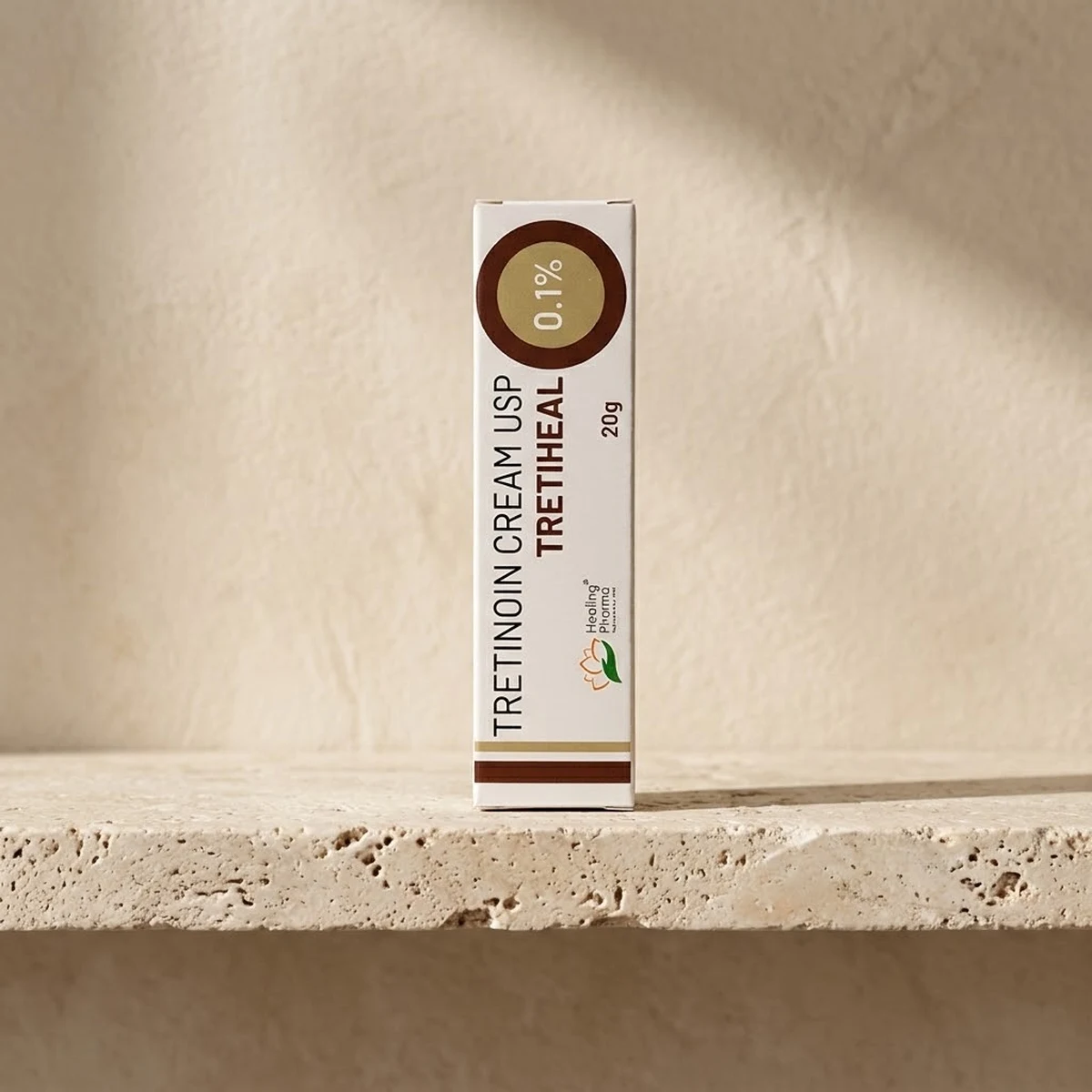
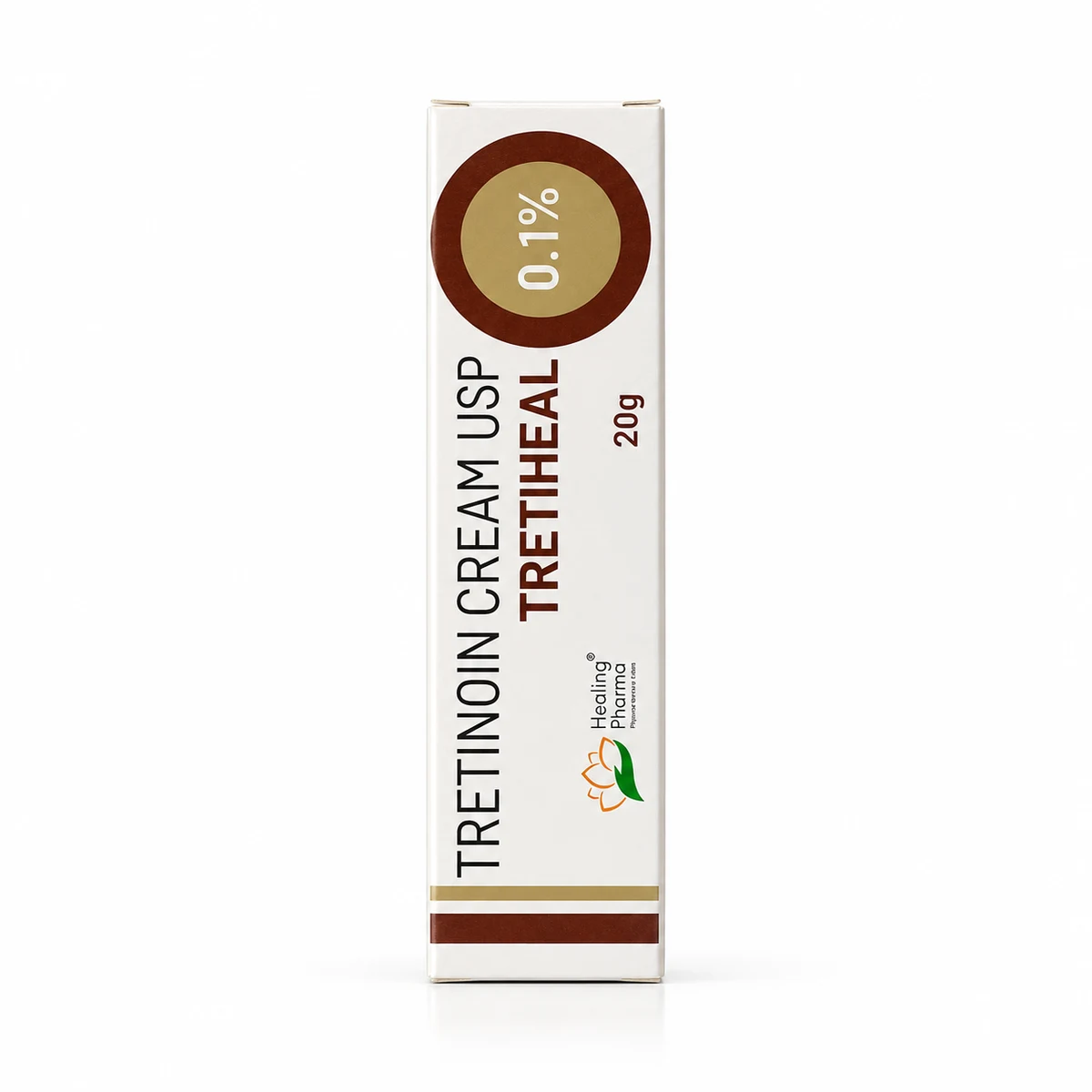
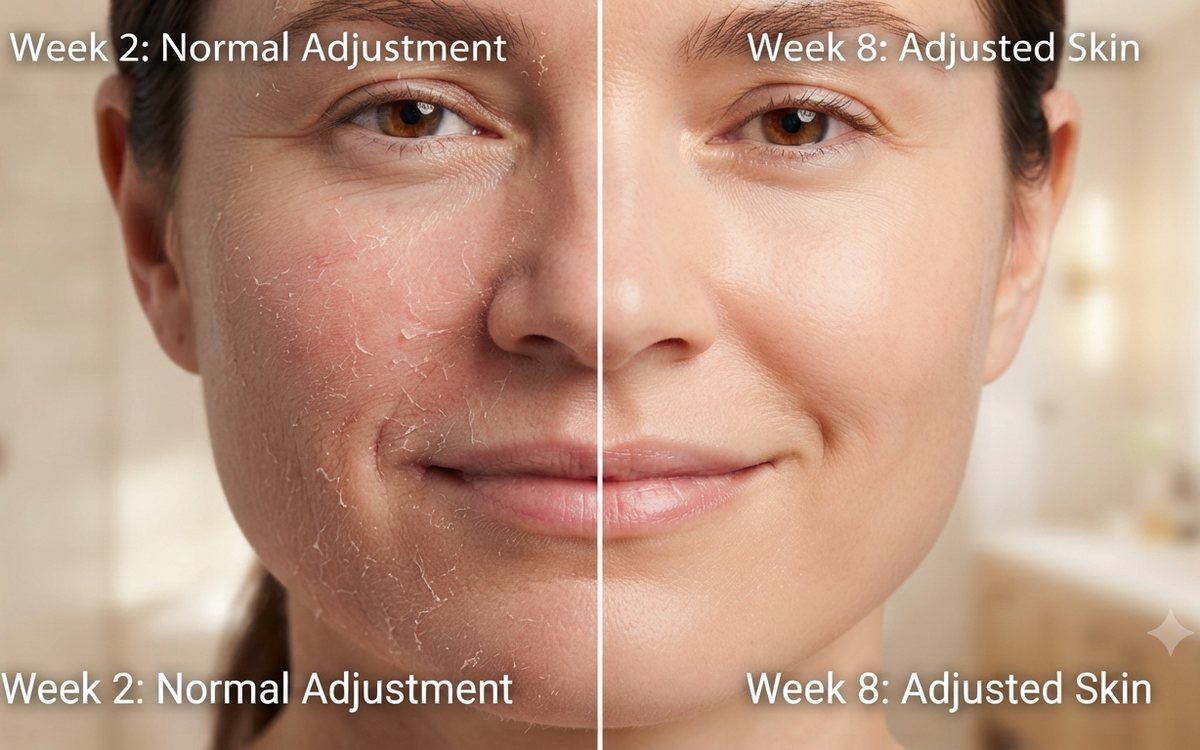
Tretinoin can cause local skin reactions, including dryness, redness, scaling, peeling or a stinging feeling. The reaction varies by person and product. “Almost everyone” is not a reliable description, and severe irritation is not something to push through. Tretinoin is prescription-only in the UK, so contact your prescriber or pharmacist if symptoms are persistent, painful or worrying.
Last reviewed: October 2026
Common local effects
Tretinoin is one of several topical acne treatments described by the NHS acne treatment guidance. It can irritate the area where it is applied. A review of topical tretinoin studies describes local irritation as an important tolerability issue. PubMed tretinoin tolerability review. The type and degree of reaction depend on the formulation, dose, frequency, skin condition and other products used. Some people experience little irritation; others need a prescriber to adjust the plan or use a different treatment.
Dryness and mild flaking are different from raw, painful or cracked skin. Worsening acne is also not automatically a “purge”. If new spots are painful, widespread, unusual for you or accompanied by significant irritation, ask for assessment. Do not dismiss severe symptoms as proof that the medicine is working.
Dryness and tightness
Use a gentle cleanser and a moisturiser you already tolerate. Avoid hot water, scrubbing, cleansing brushes and products that sting. If you have been prescribed tretinoin for acne, NICE says clinicians can consider approaches such as alternate-day or short-contact use to reduce irritation in appropriate cases. Do not adopt a modified schedule without checking your specific directions. NICE acne guideline NG198.
If you are looking for a moisturiser to try, the one we stock is Lipidz Rapid Barrier Repair Cream, a ceramide face cream; patch test it on a small area first.
Dryness that continues despite a simpler routine may mean the frequency or product needs review. Ask a pharmacist or prescriber before adding an over-the-counter steroid or another active. Do not apply medicine to cracked skin unless instructed. A moisturizer may ease discomfort, but it does not change the prescribed dose or remove the need to seek advice when symptoms are severe.
Redness, burning or stinging
A brief mild sensation may occur, but persistent burning or increasing redness deserves attention. Stop other new products and contact your prescriber if the reaction lasts, worsens or spreads. If the medicine has just been applied and causes a strong reaction, gently rinse it off. Avoid putting ice directly on the skin or layering more products to neutralise it.
Products containing fragrance, exfoliating acids, alcohol or another retinoid can add irritation for some users. Keep a record of what you applied and when. Seek urgent medical help for facial or throat swelling, breathing difficulty or a severe blistering reaction. These can indicate a serious reaction and require prompt care.
Peeling and sensitivity
Some peeling can happen, but it is not a target or a measure of success. Do not pick or pull flakes. Reduce friction, pause irritating non-prescribed products and ask the prescriber whether the treatment schedule should change. If peeling is accompanied by pain, bleeding, cracks or swelling, contact a healthcare professional rather than waiting for skin to “retinise”.
Use sunscreen and avoid sunburn. Retinoid use does not mean that every user becomes sun-sensitive in the same way, but irritated skin can be more uncomfortable in sunlight. Follow sunscreen directions and use shade or clothing. If a product causes an immediate rash or swelling, stop it and ask for advice.
When to pause and get help
Contact a pharmacist or prescriber for persistent irritation, worsening symptoms, a rash beyond the application area, severe dryness or uncertainty about continuing. Seek urgent help for swelling around the eyes or mouth, widespread blistering, severe pain, breathing difficulty or a reaction that is rapidly worsening. If the medicine gets into an eye, rinse carefully with clean water and seek advice if pain or vision changes continue.
Tell the clinician about all products and medicines used on the same area. The combination of several acne treatments may matter. NICE guidance supports reviewing adverse effects and treatment response as part of acne care. The available trials describe specific regimens; they do not define one “normal” reaction for everyone. PubMed study of retinoid tolerability.
Pregnancy and other precautions
Do not use topical tretinoin if pregnant or trying to conceive. Do not use it while breastfeeding. If pregnancy becomes possible, stop and promptly ask the prescriber what to do. Keep the medicine away from children and do not share it. Ask before using it near the eyes, on broken skin, or alongside another prescribed treatment.
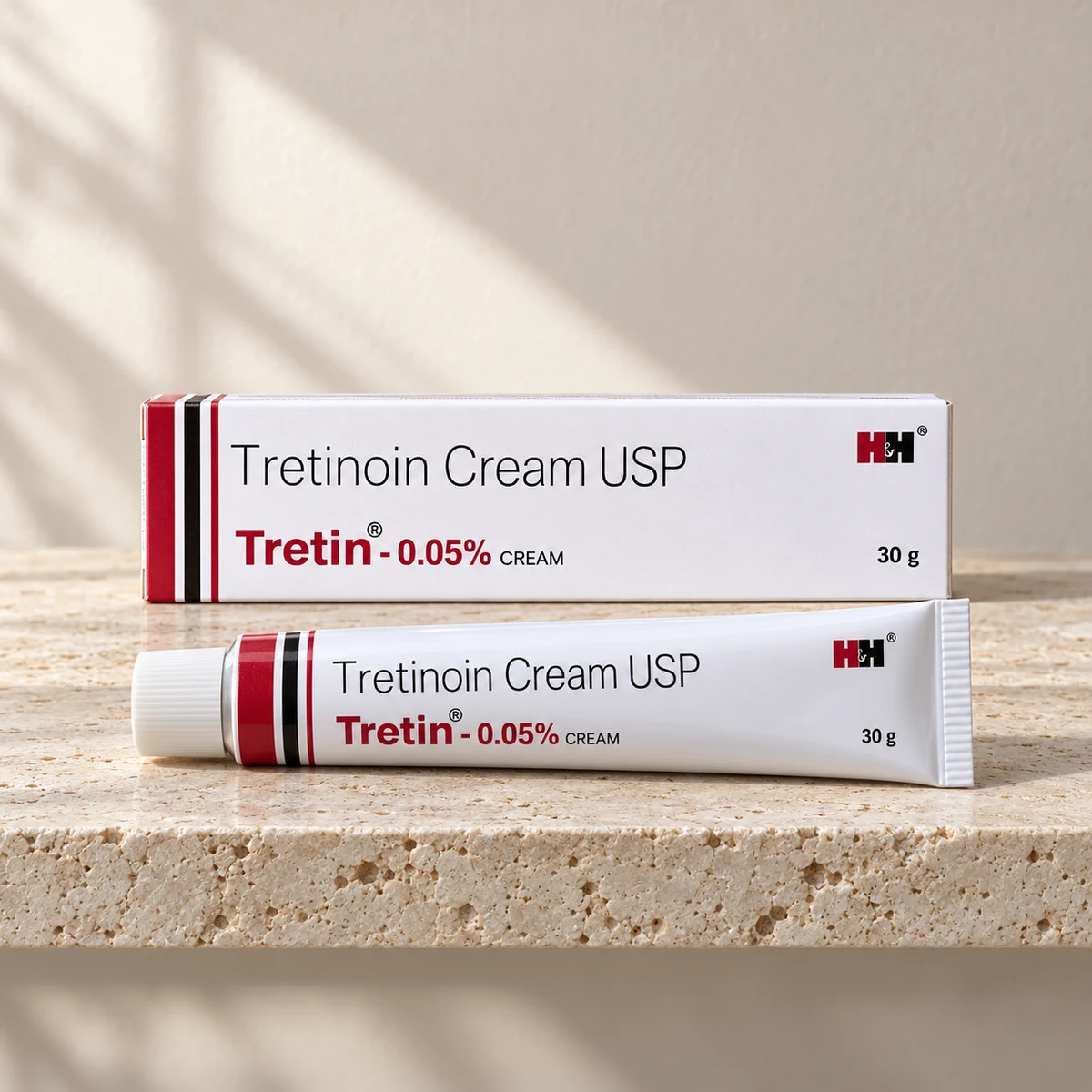
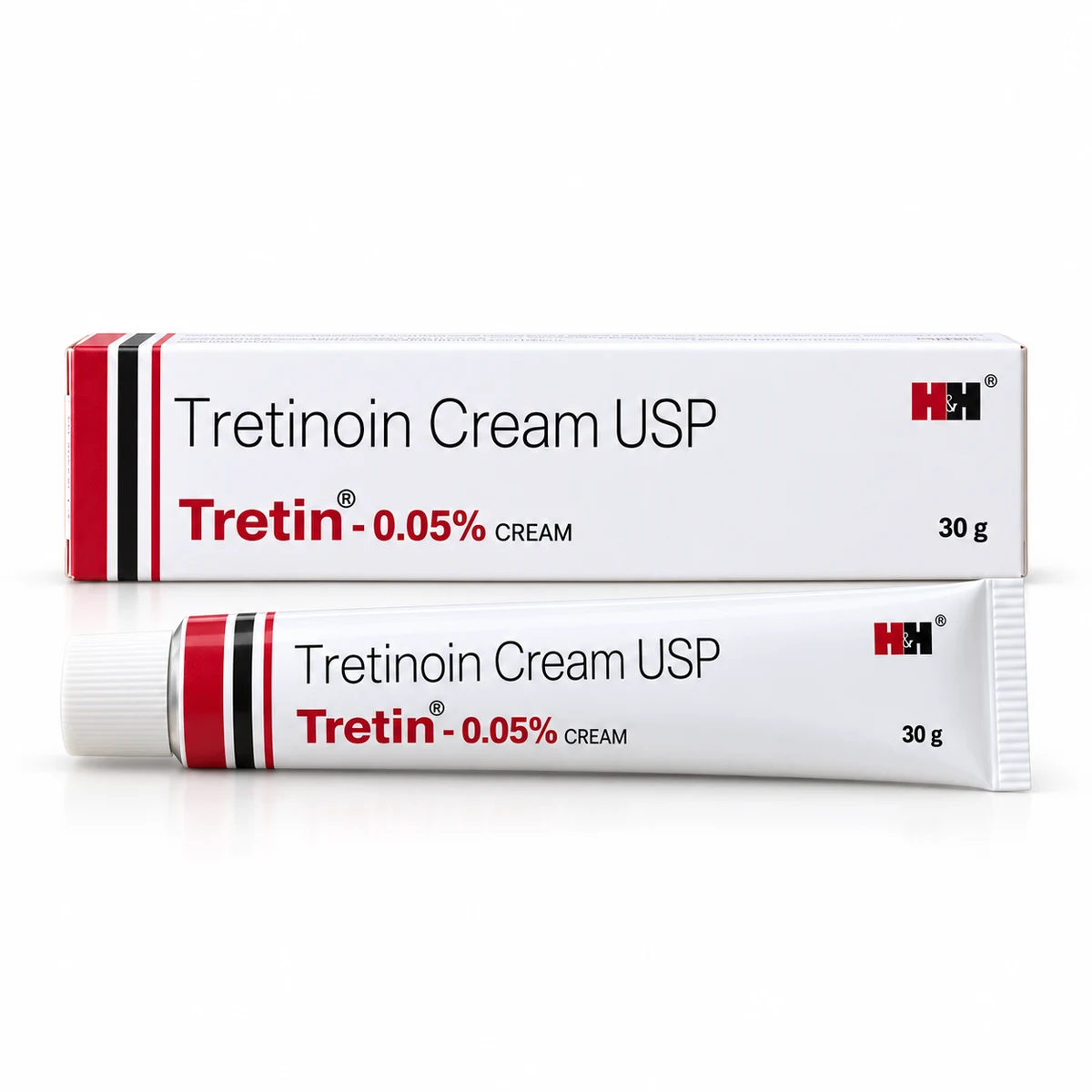
Research on tretinoin tolerability uses particular concentrations, vehicles and schedules. For example, a controlled study of tretinoin 0.05% assessed photodamaged skin over a defined period, not every acne product or every side effect. PubMed controlled tretinoin study. Follow your own label and seek advice when an effect does not settle.
Further practical guidance
If you use a prescribed combination product, check which ingredient might be causing symptoms before changing treatment. A reaction could relate to the retinoid, another active ingredient, the cream base or a separate skin condition. Ask the prescriber or pharmacist to review the exact product rather than replacing it with an over-the-counter product based on the same broad category.
A practical way to troubleshoot is to pause non-prescribed products introduced recently, note the date symptoms began and take a clear photograph for your clinician if the rash is visible. Do not keep testing the suspected product on an inflamed area. A pharmacist can review the prescription, check application instructions and advise whether the symptoms need medical assessment. If irritation settles after stopping a product, still ask before restarting it when the reaction was significant.
Do not borrow advice about strength from another person. Two tretinoin products can differ in vehicle and directions, and a product that one person tolerates may irritate another. If a dose was dispensed in error or the label conflicts with the prescriber’s instructions, do not guess. Confirm the instructions with the pharmacy before applying another dose.
| Symptom | What you can do | When to seek advice |
|---|---|---|
| Mild dryness | Use gentle cleanser and tolerated moisturiser | If it persists or worsens |
| Increasing redness or burning | Pause new actives and review the routine | Contact prescriber or pharmacist |
| Cracks, swelling, blistering or severe pain | Stop applying tretinoin | Seek prompt medical advice |
| Breathing difficulty or rapid swelling | Do not reapply the product | Seek emergency help |
Tretinoin is prescription-only in the UK. Avoid it if pregnant or trying to conceive. Do not use it while breastfeeding.
Practical checks
- Read the patient leaflet and check the instructions on your own prescription.
- Tell a GP, pharmacist or prescriber about other medicines and skin conditions.
- Use the smallest routine that meets your treatment plan, then review changes with a clinician.
Frequently asked questions
Is peeling normal with tretinoin?
Peeling can occur, but it is not required for treatment to work. Do not pick flakes. Pain, cracking, swelling or persistent redness needs advice from a pharmacist or prescriber.
Should I push through irritation?
No. Severe or persistent irritation should be reviewed. Pause the product if the reaction is significant and contact the prescriber or pharmacist.
Can I apply tretinoin every night?
Only follow the schedule prescribed for you. Do not increase frequency to speed up improvement.
Can I use moisturiser to stop side effects?
A tolerated moisturiser may ease dryness, but it cannot prevent every reaction or replace a review when symptoms are severe.
Can I use tretinoin when pregnant?
Avoid it if pregnant or trying to conceive. Do not use it while breastfeeding.
Sources
- NICE, Acne vulgaris: management
- NHS, Acne treatment
- PubMed, tretinoin tolerability review
- PubMed, retinoid tolerability study
- PubMed, controlled tretinoin study
Related reading: tretinoin purge, tretinoin for beginners a guide to getting started, tretinoin concentration which strength is right for you, tretinoin.