- Tretinoin for Beginners: A Guide to Getting Started
- Should You Choose Cream or Gel?
- Which Strength is Right for You?
- Tretinoin for Sensitive Skin: How to Use It Safely
- Tretinoin for Acne
- Tretinoin for Hyperpigmentation
- Tretinoin for Wrinkles and Fine Lines
- Tretinoin for General Skin Texture
- Tretinoin for Sun Damage


Tretinoin for Sensitive Skin: How to Use It Safely

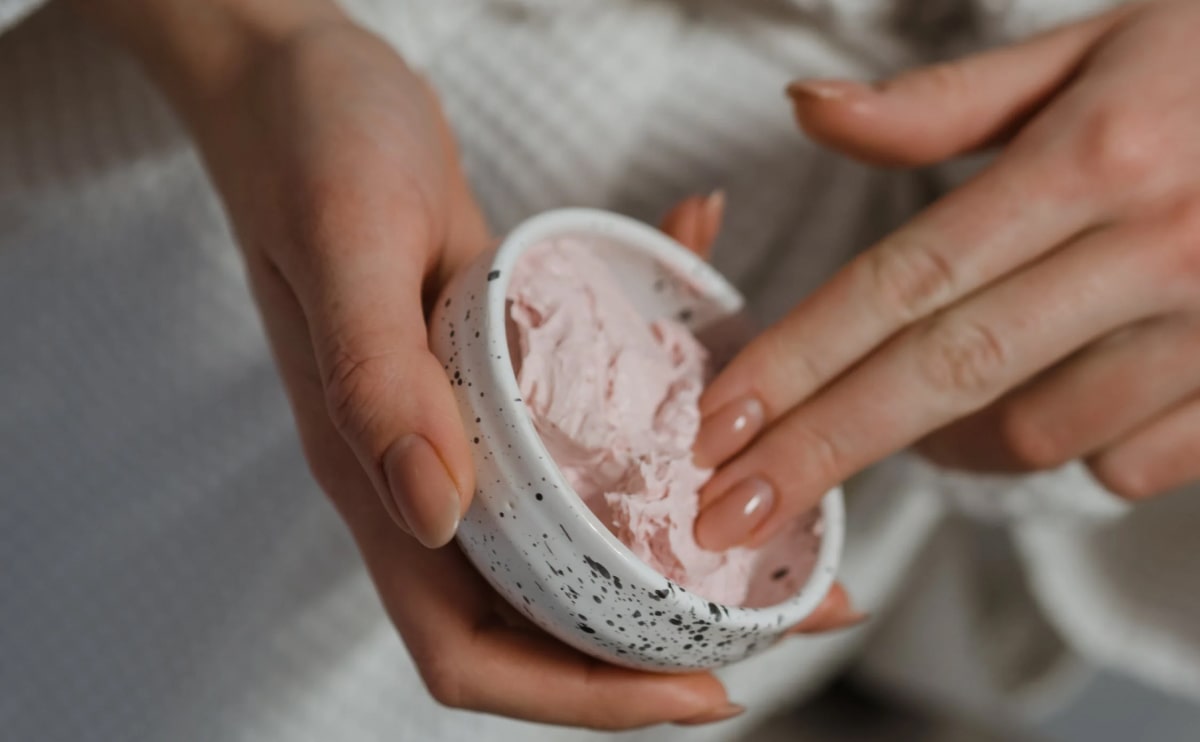
Tretinoin for Sensitive Skin: How to Use It Safely
Reactive, easily-irritated skin doesn’t have to sit tretinoin out — it just needs a gentler entry point.
Sensitive skin and tretinoin have a complicated reputation. It’s true that tretinoin can trigger redness, stinging, and flaking more readily on reactive skin — but ‘sensitive’ doesn’t mean ‘off-limits.’ With the right strength, formulation, and introduction pace, most sensitive-skin users can tolerate tretinoin well and see the same long-term benefits as anyone else. The difference is entirely in how you start.
What Makes Skin ‘Sensitive’ in the First Place
Sensitive skin generally means a compromised or naturally thinner skin barrier — the outermost layer responsible for keeping moisture in and irritants out. This can be genetic, related to conditions like rosacea or eczema, or simply a result of over-exfoliating in the past. A weaker barrier means active ingredients penetrate faster and more unpredictably, which is exactly why tretinoin needs a more cautious approach here than it does on resilient skin.
| Sign of Sensitive Skin | Why It Matters for Tretinoin |
|---|---|
| Frequent redness or flushing | Barrier is already reactive; tretinoin adds further stimulation |
| Stings with new skincare products | Indicates reduced barrier tolerance to actives generally |
| History of eczema, rosacea, or dermatitis | Underlying inflammation can be aggravated by retinoids if introduced too fast |
| Visible dryness or tightness most days | Barrier is already compromised before tretinoin is added |
Tretinoin vs Retinol: Why the Distinction Matters Here
This comparison matters more for sensitive skin than almost any other decision. Retinol is a precursor — your skin has to convert it into retinoic acid before it becomes active, which happens gradually and produces a milder, slower effect. Tretinoin is already in its active form, so it works faster but also more intensely. For most sensitive-skin users, this doesn’t mean avoiding tretinoin altogether — it means using a lower concentration and a more gradual schedule than someone with resilient skin would need.
| Factor | Retinol | Tretinoin |
|---|---|---|
| Potency | Milder, gradual | Stronger, immediate activity |
| Onset of visible results | Slower, often 4–6 months | Faster, often 8–12 weeks |
| Irritation risk on sensitive skin | Lower | Higher, especially at first |
| Availability | Over-the-counter | Prescription-strength |
✓ For genuinely reactive skin
If your skin reacts to nearly everything — including fragrance-free basics — starting with a lower-strength routine and a slow, buffered introduction matters more than which product you choose. The introduction method is doing most of the protective work.
A Gentler Introduction Schedule
Standard beginner schedules are often still too aggressive for sensitive skin. This slower version stretches the same idea over a longer runway:
| Weeks | Frequency | Method |
|---|---|---|
| 1–2 | Once every 5–7 nights | Short contact — apply for 30–60 minutes, then rinse off |
| 3–4 | Twice weekly | Short contact extended to 1–2 hours, or full sandwich method |
| 5–8 | Every 3rd night | Full overnight wear, always buffered with moisturizer |
| 9+ | Every other night (goal, not requirement) | Only progress if skin shows no ongoing irritation |
Formulation and Strength Choices for Sensitive Skin
- Start at 0.025% — the lowest available strength — regardless of how your skin behaves with other products
- Cream is generally better tolerated than gel, since its emollient base offsets some of the barrier disruption
- Microsphere formulations, which release tretinoin gradually overnight, are worth considering if standard cream still causes irritation
- Avoid combining with other actives (vitamin C, exfoliating acids, benzoyl peroxide) until your skin has fully adjusted
Buffering: The Sensitive Skin Essential
Buffering — applying a moisturizer before tretinoin so it absorbs into slightly hydrated skin rather than bare skin — meaningfully reduces the sting and redness sensitive users often report. The ‘sandwich’ method takes this further: moisturizer, then tretinoin, then a second layer of moisturizer on top. Neither technique reduces how well tretinoin works long-term; they simply slow the rate of delivery, which is exactly what a compromised barrier needs.
Barrier-Support Ingredients Worth Adding
| Ingredient | Role |
|---|---|
| Ceramides | Rebuilds the lipid barrier that tretinoin can temporarily thin |
| Niacinamide | Calms redness and supports barrier function without interfering with tretinoin |
| Panthenol | Soothes and hydrates, useful during the initial adjustment weeks |
| Hyaluronic acid | Adds water-based hydration without added irritation risk |
Managing Tretinoin Side Effects on Sensitive Skin
Some degree of dryness and mild redness is expected during adjustment, even with a careful approach. The goal isn’t zero reaction — it’s keeping reactions mild and short-lived rather than severe and prolonged.
| Side Effect | Sensitive-Skin Management |
|---|---|
| Redness/flushing | Reduce frequency; ensure moisturizer is applied both before and after |
| Stinging on application | Switch to short contact therapy; confirm skin is fully dry before applying |
| Peeling/flaking | Continue moisturizing generously; avoid picking or exfoliating flakes |
| Increased breakouts (purging) | Expected short-term; if severe or lasting beyond 8 weeks, pause and reassess |
⚠️ When to pause entirely
Persistent burning, swelling, oozing, or a rash that spreads beyond the application area are signs to stop use and speak with a dermatologist rather than continuing to push through.
Realistic Expectations for Sensitive Skin Users
Because the introduction is slower, results also arrive on a slightly longer timeline than the standard 8–12 week estimate — often closer to 12–16 weeks for the first clearly visible changes. That’s not a sign the routine isn’t working; it reflects a deliberately gentler pace designed to protect the skin barrier while still building genuine tolerance to tretinoin over time.