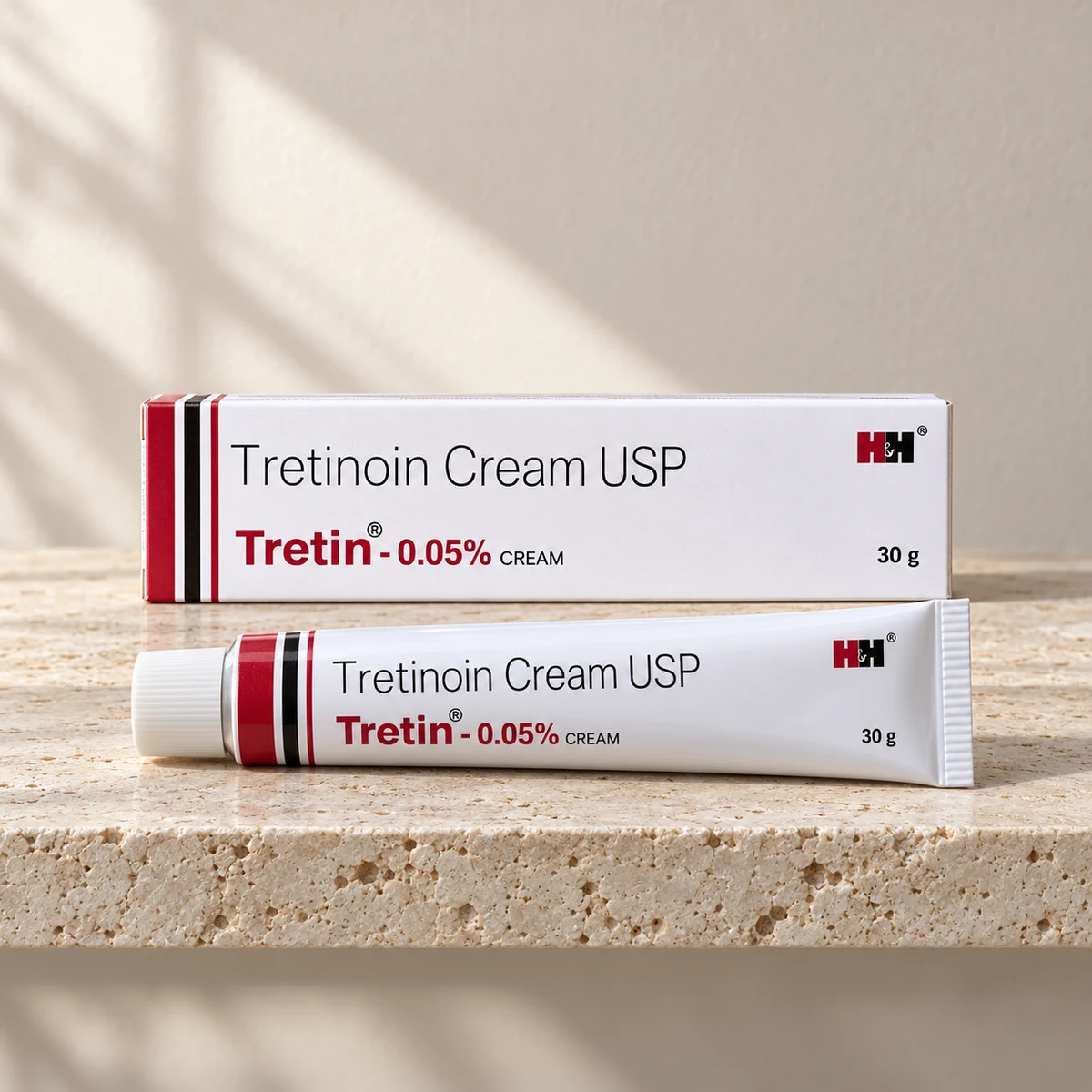
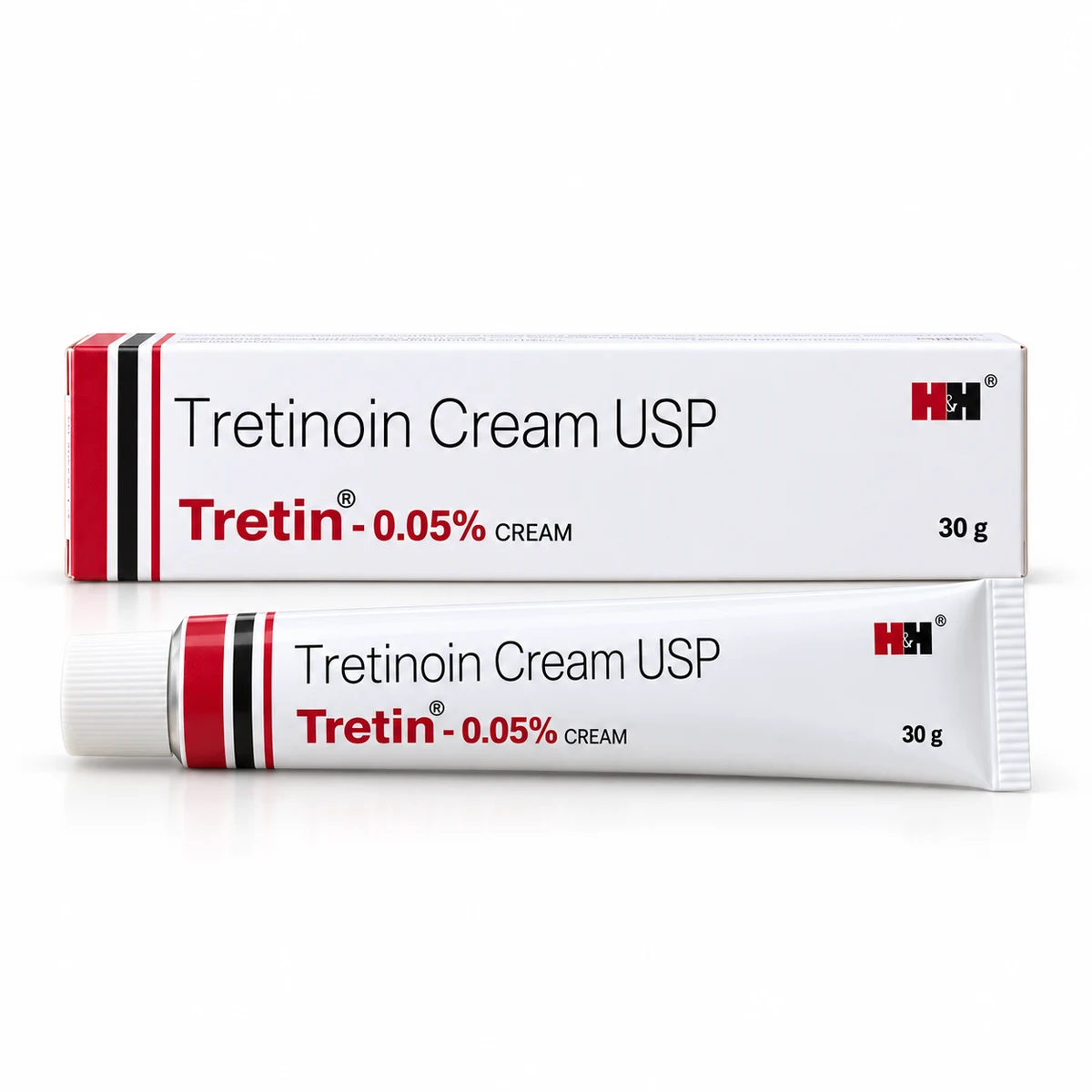
Can You Use Niacinamide With Tretinoin? Full Guide
Key points
- You can usually use a niacinamide cosmetic in the same routine as prescribed tretinoin, but introduce one change at a time.
- Start tretinoin at the frequency directed by your prescriber. Do not increase it to make results arrive sooner.
- If skin becomes sore, swollen, cracked or persistently irritated, pause and ask a pharmacist or prescriber for advice.
- Do not use tretinoin if pregnant or trying to conceive. Do not use it while breastfeeding.
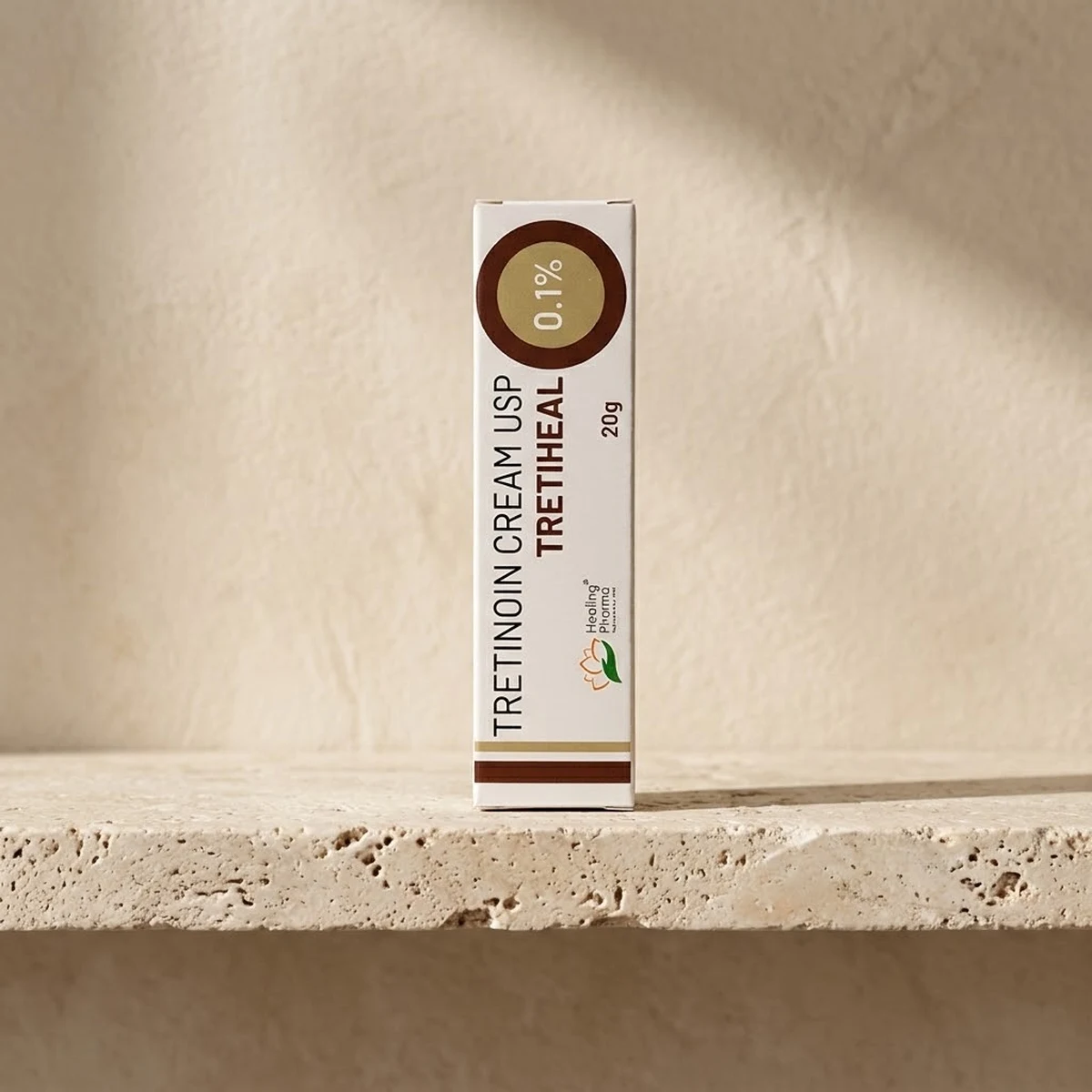
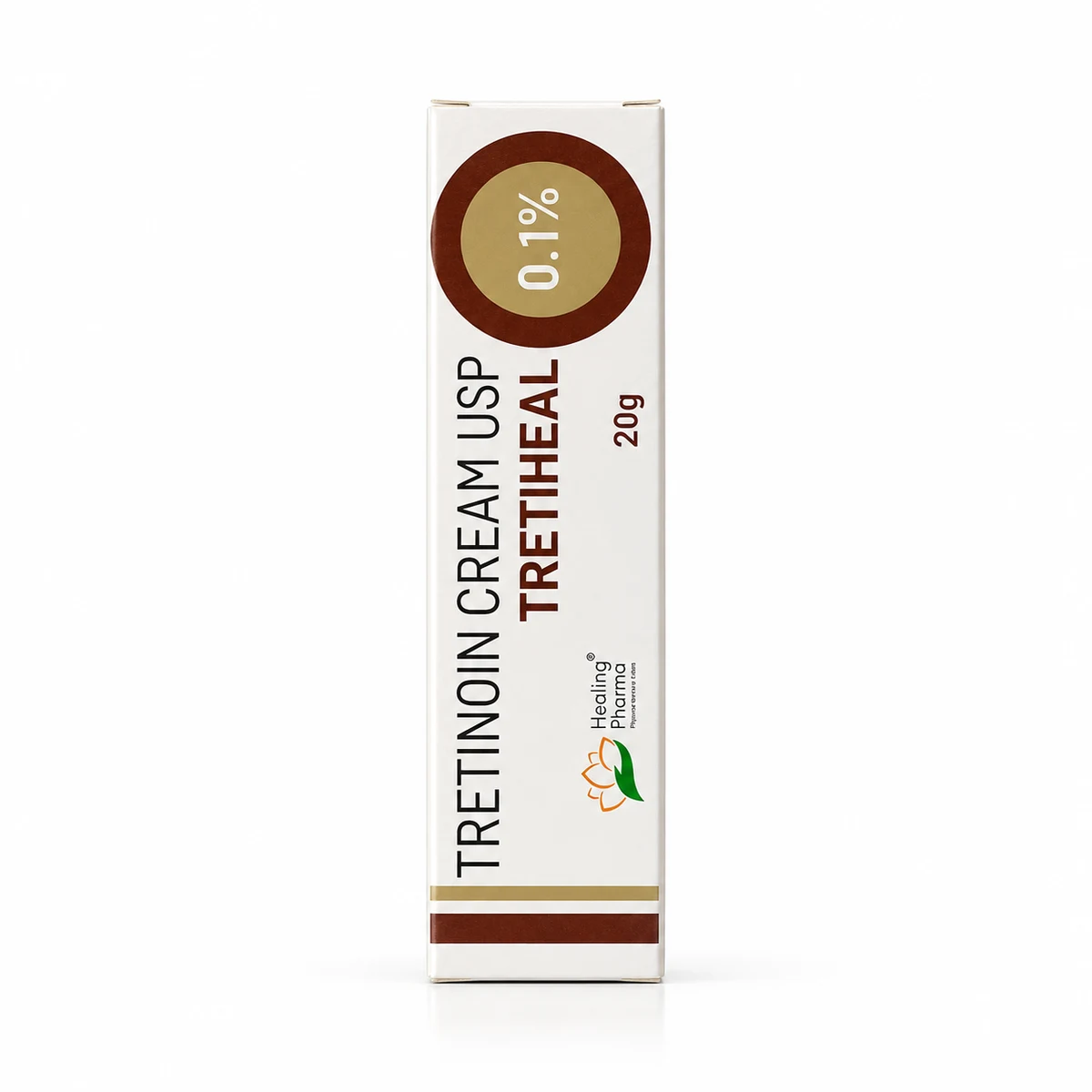
Niacinamide and tretinoin can sit in the same skincare routine for many people, but the combination is not a treatment plan by itself. Tretinoin is a prescription-only medicine in the UK. A prescriber should confirm that it suits your skin and explain how often to apply it. Niacinamide is a cosmetic ingredient in many products. There is no need to add it simply because you use tretinoin, and a product containing it cannot prevent every reaction.
Last reviewed: October 2026
What each ingredient does
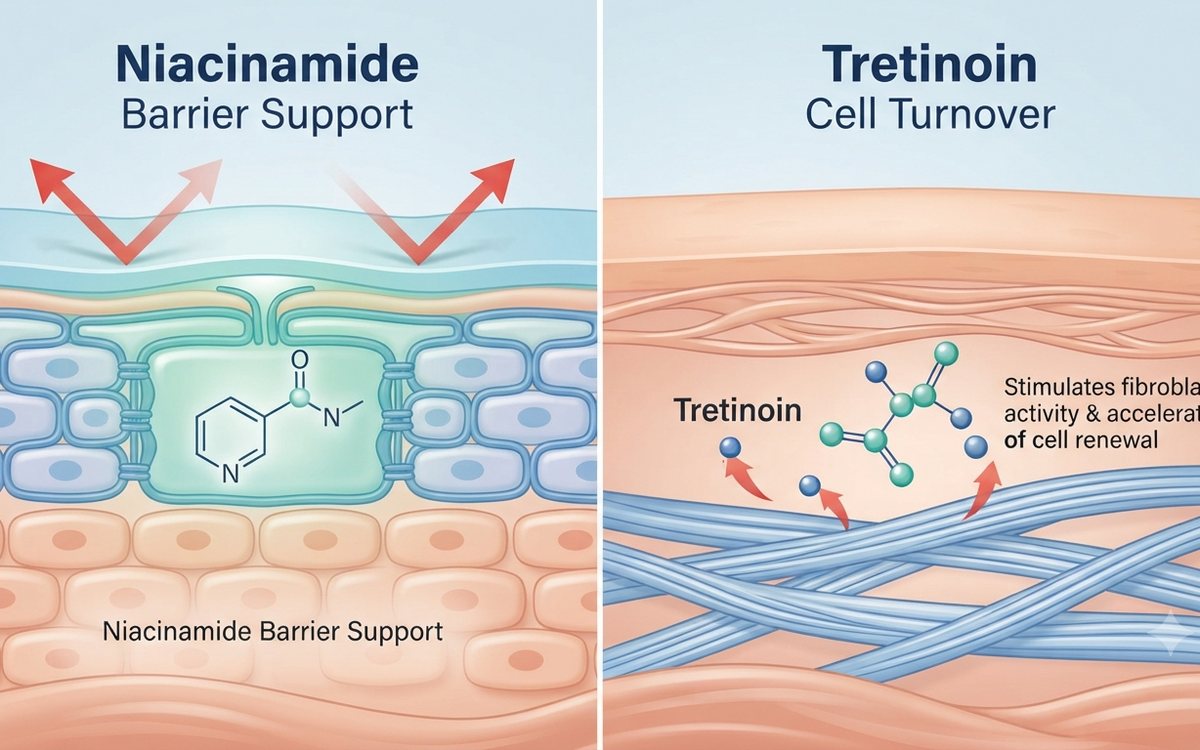
Niacinamide is a form of vitamin B3 used in leave-on skincare. Cosmetic products vary in concentration and formula, so the ingredient name alone does not predict how a product will feel. Tretinoin is a topical retinoid used for conditions such as acne. It changes how skin cells grow and shed, and can irritate the treated area, especially when first used or applied too often. The NHS lists topical retinoids among acne treatments and advises that they are unsuitable in pregnancy. NHS acne treatment guidance.
Claims that niacinamide “cancels out” tretinoin or makes it work better are too definite. Our evidence pack includes an acne guideline and a review of acne management, but neither establishes that a niacinamide serum prevents tretinoin irritation. PubMed acne care guideline and PubMed acne management review. A product’s vehicle, strength, fragrance and other ingredients can affect comfort. Treat the pair as two separate products and assess each one on its own merits.
How to layer them
The simplest approach is to use niacinamide in the morning and tretinoin at night. Cleanse gently, let skin dry, apply niacinamide according to its label, then moisturiser and sunscreen in the morning. At night, use a small amount of tretinoin on the area and at the schedule set by your prescriber. Avoid the eyelids, corners of the nose and lips unless your clinician has specifically instructed otherwise.
If you prefer both at night and your prescriber has not advised against it, apply the products in a way their labels allow. A light serum can go before moisturiser; tretinoin is normally applied to clean, dry skin. There is no universal waiting time that guarantees less irritation. If layering stings, separate the products by time of day or stop the newer one. Do not mix medicines into a moisturiser in your hand because the resulting dose is unpredictable.
Introduce changes slowly
Start with a basic routine that you already tolerate. Add one product, keep the rest steady, and watch for a change in burning, redness, tightness or flaking. If you start niacinamide and tretinoin on the same evening, it becomes harder to tell which product caused a reaction. People with eczema, rosacea, very sensitive skin or a damaged skin barrier may need an individual plan rather than a standard online routine.
Tretinoin irritation can be a reason to reduce use or seek advice, not a challenge to push through. NICE acne guidance recommends discussing adverse effects and reviewing treatment response as part of care. NICE guideline NG198. The irritation and adherence findings in comparative retinoid research also show why tolerability matters; they do not establish that niacinamide prevents irritation. PubMed study on topical retinoid tolerability.
Choose a simple formula
A short ingredient list can make troubleshooting easier. Check whether the niacinamide product also contains exfoliating acids, retinoids, fragrance or a high amount of denatured alcohol. Those additions may be relevant when your skin is already adjusting to a prescription medicine. A product marketed as “barrier support” is still not guaranteed to suit every skin type. Try it on a small area first if you have reacted to skincare before, and stop if it causes a rash or swelling.
Avoid adding several new actives because a routine feels incomplete. For acne, NICE guidance places topical medicines within a wider treatment plan and cautions about irritation with some options. If acne is painful, scarring or affecting your wellbeing, speak with a GP rather than escalating products alone. A retinoid is not a substitute for a diagnosis of acne or for care of another rash. More on the retinoid adjustment period is in our beginner’s guide to tretinoin.
Morning protection and monitoring
Use a broad-spectrum sunscreen in the morning and follow its label, especially if you spend time outdoors. Sun exposure can worsen uneven pigmentation and inflamed skin. Sunscreen does not make an irritating routine safe, and moisturiser does not replace sun protection. Avoid tanning lamps and take care with prolonged direct sun while using a medicine that irritates your skin.
Keep notes on when you apply each product and what changes. A simple record is more useful than changing several steps at once. Seek urgent medical help for facial swelling, breathing difficulty or a severe blistering reaction. For a persistent rash, severe pain or crusting, stop the suspected product and contact a healthcare professional promptly. These symptoms need assessment rather than another layering trick.
A routine example
Morning: gentle cleanse or rinse, niacinamide if tolerated, moisturiser, then sunscreen. Evening: gentle cleanse, dry skin, prescribed tretinoin at the agreed frequency, then moisturiser if suitable. On nights without tretinoin, use cleanser and moisturiser only. This is an example, not a prescription. Follow the leaflet and your prescriber’s instructions if they differ.
If you use other prescribed acne medicines, ask the prescriber or pharmacist how to space them. Benzoyl peroxide, acids and other retinoids can increase irritation when combined, and some combinations need deliberate timing. Do not stop a prescribed antibiotic or change its schedule based on a skincare post. See our guide to azelaic acid and tretinoin for another combination that should be discussed in context.
| Routine step | Practical approach | What to watch |
|---|---|---|
| Niacinamide | Use a labelled cosmetic product, once daily at first | Stinging, rash or irritation from the whole formula |
| Tretinoin | Use only as prescribed, usually in the evening | Persistent soreness, swelling, cracking or severe peeling |
| Moisturiser | Choose a bland product you already tolerate | Fragrance or extra actives may complicate irritation |
| Sunscreen | Apply in the morning and reapply as directed | Use shade and clothing as additional protection |
Tretinoin is prescription-only in the UK. Do not use it if pregnant or trying to conceive. Do not use it while breastfeeding.
Practical checks
- Read the patient leaflet and check the instructions on your own prescription.
- Tell a GP, pharmacist or prescriber about other medicines and skin conditions.
- Use the smallest routine that meets your treatment plan, then review changes with a clinician.
Frequently asked questions
Can I use niacinamide and tretinoin on the same night?
Often a person can use both, but the safest schedule depends on their prescription, skin condition and the products’ full formulas. Separate them morning and evening if that is more comfortable. Follow your prescriber’s directions.
Does niacinamide stop tretinoin irritation?
It cannot be relied on to prevent irritation. Some people tolerate a niacinamide product; others react to its vehicle or other ingredients. Reduce or pause tretinoin and seek advice if irritation is persistent or painful.
Should niacinamide go before or after tretinoin?
There is no single required order for every formula. Use each product as labelled, avoid mixing them together, and simplify the routine if layering stings. A morning niacinamide product and evening tretinoin is easy to track.
Can I use tretinoin while pregnant?
No. Avoid topical tretinoin if pregnant or trying to conceive. Do not use it while breastfeeding. Tell your prescriber if pregnancy is possible.
What if my skin burns after applying both?
Stop the newer product and rinse gently if needed. Do not apply more actives to “balance” the reaction. For severe pain, swelling, blistering or a persistent rash, contact a healthcare professional.
Sources
- NICE, Acne vulgaris: management
- NHS, Acne treatment
- PubMed, topical retinoid comparison and tolerability
- PubMed, retinoid treatment evidence in evidence pack
- PubMed, topical acne combination evidence
Related reading: tretinoin for beginners a guide to getting started, tretinoin vs retinol, tretinoin.