- Tretinoin for Beginners: A Guide to Getting Started
- Should You Choose Cream or Gel?
- Which Strength is Right for You?
- Tretinoin for Sensitive Skin: How to Use It Safely
- Tretinoin for Acne
- Tretinoin for Hyperpigmentation
- Tretinoin for Wrinkles and Fine Lines
- Tretinoin for General Skin Texture
- Tretinoin for Sun Damage


Azelaic Acid for Rosacea: Does It Really Calm Redness?

Azelaic Acid for Rosacea: Does It Really Calm Redness?
Rosacea can be frustrating to manage — persistent redness, visible blood vessels, and breakouts that flare with little warning. Azelaic acid has become one of the most recommended ingredients for calming these symptoms, and it’s why so many people search for it before they buy Azelaic Acid Cream UK. Here’s what the evidence actually says, and how to use it properly.
How Azelaic Acid Helps With Rosacea
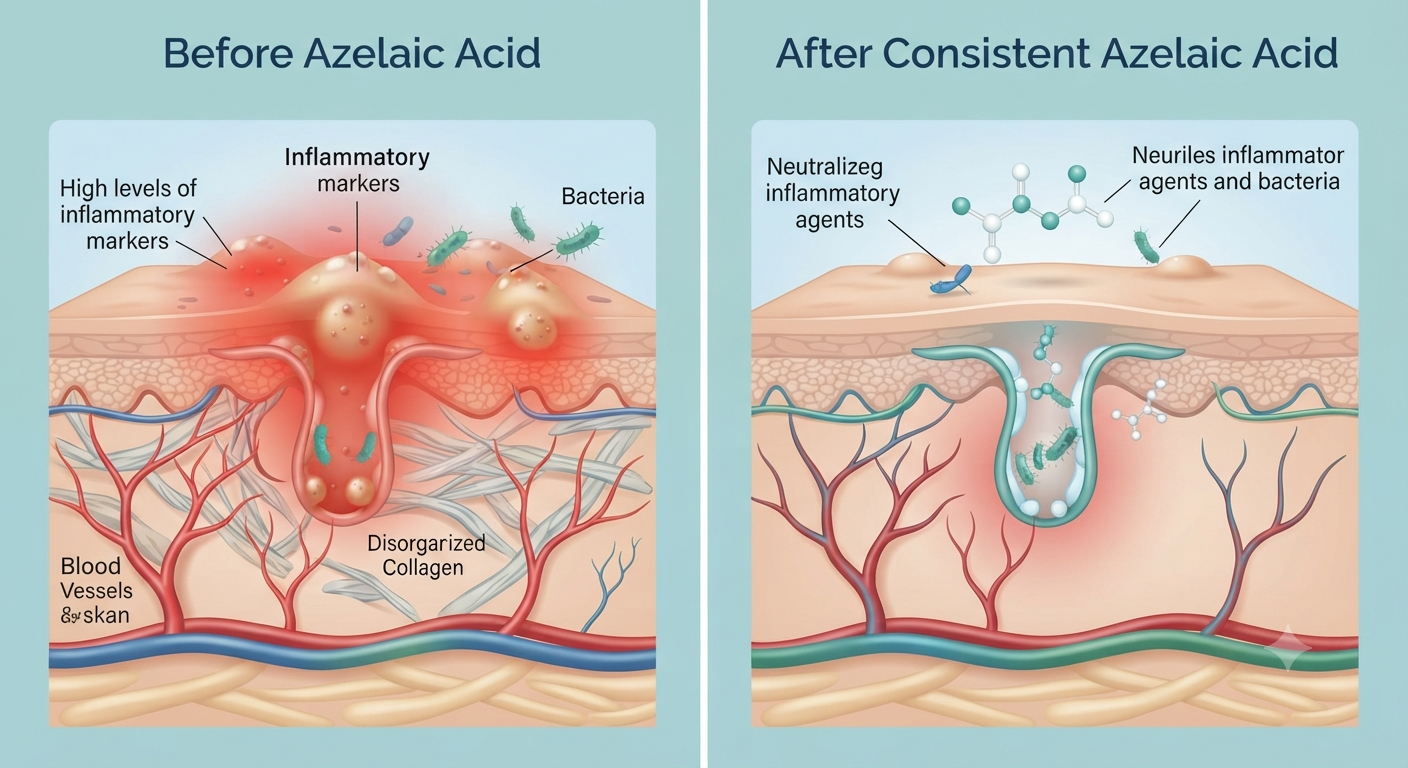
Azelaic acid is a naturally occurring dicarboxylic acid with a well-documented anti-inflammatory and antibacterial profile. For rosacea specifically, it works by:
- Reducing the inflammation that drives visible redness
- Calming the bumps and pustules associated with papulopustular rosacea
- Helping normalize skin cell turnover to reduce texture irregularities
- Being gentle enough for regular, long-term use in sensitive, rosacea-prone skin
What Results Can You Realistically Expect?
Azelaic acid isn’t an overnight fix, but consistent use tends to follow a fairly predictable pattern:
- Weeks 1–2: Skin adjusts; mild tingling on application is common
- Weeks 4–6: Reduced frequency and severity of breakouts
- Weeks 8–12: Noticeably calmer, more even-toned skin
- 3+ months: Sustained redness reduction with continued use
Azelaic Acid vs Other Rosacea Treatments
| Treatment | Strength | Common Use |
|---|---|---|
| Azelaic Acid 20% Cream | Moderate, well-tolerated | Redness, bumps, mild acne |
| Metronidazole | Prescription antibiotic | Inflammatory rosacea |
| Topical retinoids | Stronger, more irritating | Texture, not typically first-line for rosacea |
Unlike stronger actives such as tretinoin, azelaic acid is generally considered safe to use alongside most rosacea-prone routines without the same level of irritation risk — which is part of why it’s such a popular starting point.
How to Use Azelaic Acid Safely
- Apply a thin layer to clean, dry skin once or twice daily
- Start with once-daily use if your skin is very reactive
- Always pair with a fragrance-free, barrier-repair moisturizer — we recommend our own Lipidz Barrier Cream for rosacea-prone, reactive skin
- Use daily SPF, especially if combining with other actives — our own Z-Block SPF 50 is a broad-spectrum option well suited to sensitive skin
- Avoid layering with strong exfoliating acids in the same routine
For a full step-by-step routine, check out our guide on how to use azelaic acid safely.
For many people managing rosacea, azelaic acid offers a genuinely effective, gentler alternative to harsher actives — reducing redness, calming breakouts, and improving overall skin tone with consistent use. If you’re ready to add it to your routine, explore our 20% Azelaic Acid Cream and start seeing calmer, more even skin.